

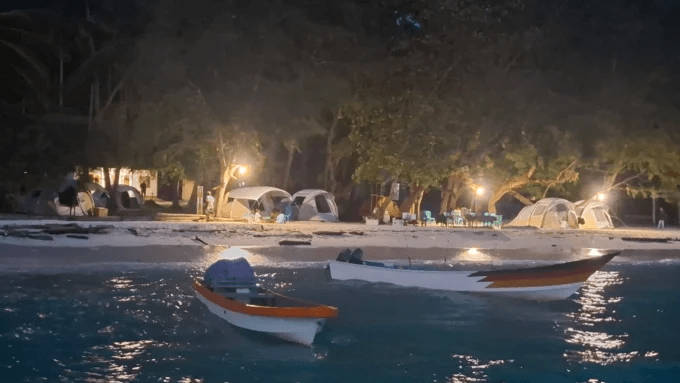
In the tropical archipelago of Biak Numfor, an island renowned for its azure waters, WWII relics, and vibrant culture, a community-driven shift is underway. The local government and residents are actively transforming tourism, not as outsiders zoned for entertainment, but as hosts, creators, and stewards of their own destinations.
This movement is more than economic strategy. It’s a cultural awakening, one that blends local identity with sustainable opportunity.
Biak Tourism
Traditionally, tourism development can feel top-down: government builds infrastructure, businesses attract visitors, and local communities watch from the sidelines. But in Biak, that paradigm is changing.
The Biak Numfor Regency Government, led by Regent Yuri Bona Simanjuntak, is optimizing tourism by involving communities and local residents from the earliest stages, from planning to promotion and management.
“Tourism development is not just about attracting visitors, It’s about empowering the community, preserving culture, safeguarding the environment, and ensuring that the benefits reach those who live here.” said Regent Simanjuntak during a visit to the Kasi Kosong Community in Samberpasi Island on 3 March 2026.
This approach marks a clear commitment: tourism will not extract value from local people, it will grow with them.
Community-Led Tourism
The regional government’s tourism office has begun several key initiatives:
- Capacity Building for Local Guides
Residents are being trained as official tourist guides, not only in basic hospitality skills, but also in storytelling, ecology, and cultural interpretation. This ensures visitors don’t just see the island, they understand it.
- Village-Level Tourism Planning
Instead of one centralized tourism roadmap, the government is helping individual villages design micro-tourism plans. Each village highlights its strengths: handicrafts, farming experiences, cultural performances, or nature trails.
- Sustainable Environmental Stewardship
Some community groups are now managing local marine zones, ensuring that coral gardens and fish habitats remain healthy, a practice that protects both biodiversity and long-term tourism potential.
- Market Access for Local Products
Biak’s local artisans, food producers, and cultural performers are being supported to connect with tourists directly, creating local incomes that stay in local pockets.
A Shared Vision
This strategy is the result of ongoing dialogue between local leaders, community representatives, and government planners. By listening to residents’ aspirations, decision-makers are ensuring that tourism reflects Biak’s unique identity, not someone else’s business model.
In the words of one local guide recently trained in visitor engagement: “A tourist’s journey changes when we share our story, not just the sights.”
That single insight reflects the shift underway: tourism is no longer about passive beauty, but participatory activity. Biak is learning that tourism can be a partnership, between visitors and communities, tradition and opportunity, culture and enterprise.
A Model for Papua
As other regions in West Papua look to tourism as a pathway to local prosperity, Biak’s example offers a blueprint: Community first, infrastructure second. In this model, tourism amplifies voices instead of replacing them, and travelers become guests of people, not just customers of attractions. Tourism is not just an industry, it’s a shared story, told by the people who live it.

 West Papua Now