

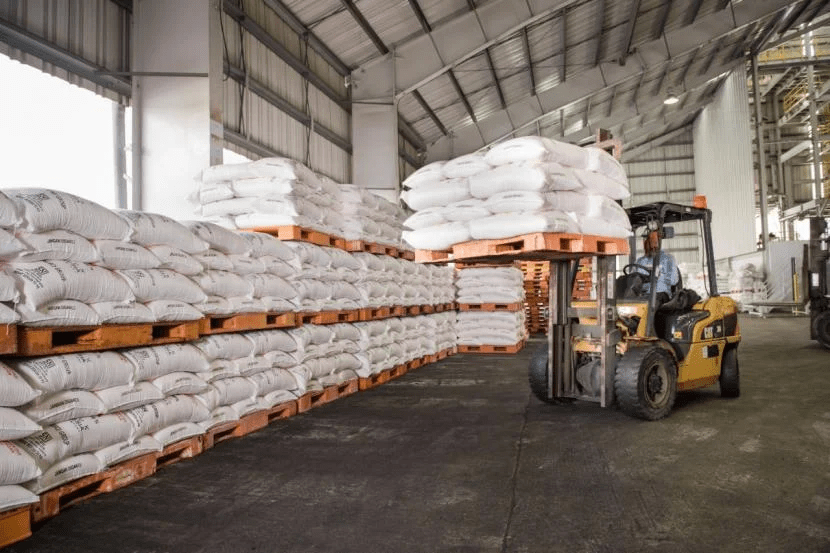
In the lush and fertile landscapes of West Papua, a major industrial project is beginning to reshape the future of agriculture and food production in eastern Indonesia. The Fakfak Fertilizer Industrial Zone (KIP Fakfak) is being championed not just as a manufacturing facility, but as a strategic project to fortify food security, boost local productivity, and strengthen the regional economy.
Heavy Costs
For many years, Papua’s farmers have faced a persistent challenge: the high cost and logistical difficulty of importing fertilizer to support their crops. Due to the region’s rugged terrain and distance from major industrial centers, fertilizer transported from outside Papua has often accounted for a large share of farmers’ production costs, in some cases nearly one-third of total expenses.
Local Production, Local Impact
On 18 January 2026, Gracia Josaphat Jobel Mambrasar, the members of the Special Autonomy Acceleration Committee for Papua, the Fakfak Fertilizer Industrial Zone offers a game-changing solution: producing key agricultural inputs right where they are needed most.
“Establishing a fertilizer industry in Fakfak will strengthen food security and boost downstream industry in eastern Indonesia,” said Gracia Josaphat Jobel Mambrasar or known locally as Billy Mambrasar, highlighting the strategic importance of the project.
By localizing fertilizer production in West Papua:
- Distribution costs drop dramatically, making fertilizer more affordable for farmers.
- Supply becomes more reliable and timely, which supports continuous agricultural cycles.
- Farming becomes more productive, as farmers have easier access to one of their most essential inputs.
The ripple effect could be felt far beyond plantations. When fertilizer is abundant and affordable, farmers can plant more, harvest more, and stimulate demand across transport, trade, and services connected to agriculture’s supply chain.
Transforming Papua’s Economy
The project is envisioned as a national strategic initiative, one that aligns with broader goals such as supporting “food estate” programs across Indonesia’s eastern regions and reducing reliance on imported agricultural inputs.
The industrial zone is expected to produce significant volumes of urea and ammonia, essential components in fertilizer production, backed by abundant natural gas resources in the region. This scale of production could not only support Papua’s own agricultural sector but also alleviate supply constraints nationwide.
Beyond agriculture, the facility is projected to generate new jobs, stimulate local incomes, and catalyze downstream industrial growth, providing opportunities not only for farmers but for workers, entrepreneurs, and service providers across the region.
Why This Matters
In many parts of Indonesia, access to affordable fertilizer is a backbone of food security. The Fakfak project fits into this strategy. By strengthening local supply at the source, Papua not only becomes more food secure, but also more self-reliant. The presence of such industrial capacity in the eastern region sends a powerful signal: Papua is stepping into the future with the tools to feed its own people, and to contribute meaningfully to Indonesia’s wider food production network.
https://www.neraca.co.id/article/231701/industri-pupuk-fakfak-perkuat-ketahanan-pangan

 West Papua Now