

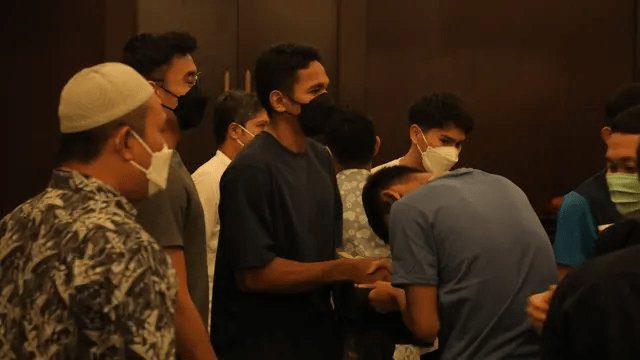
Indonesia is known for its cultural diversity and traditions. Each region has its own unique way of celebrating major religious holidays, including Eid al-Fitr or Lebaran. One of the regions with interesting Eid al-Fitr traditions is Papua. The easternmost province of Indonesia holds an extraordinary cultural wealth, including in the celebration of Eid.
Eid al-Fitr in Papua is not just a religious celebration, but also a unique blend of Islamic traditions and local wisdom. The celebration of Eid al-Fitr in Papua shows how deeply ingrained the values of tolerance and mutual respect among religious communities are. The existing traditions are not just rituals, but also serve as social glue that strengthens the bonds of brotherhood.
The uniqueness of Lebaran traditions in Papua is reflected in various aspects, from traditional foods and clothing, to special rituals performed during the celebration. For example, there is a tradition of eating papeda together after the Eid prayer, where Muslim and non-Muslim communities gather to enjoy this typical Papuan dish. There is also a tradition of wearing traditional Papuan clothing combined with Muslim attire during visits, creating a beautiful and harmonious cultural blend.
These unique traditions not only enrich the cultural heritage of Indonesia but also serve as a real example of how differences can be a source of strength and beauty. We should appreciate and preserve these traditions as valuable cultural heritage. By understanding and appreciating the uniqueness of the Lebaran tradition in Papua, we can further appreciate Indonesia’s diversity and strengthen national unity.
Here are some unique aspects of the Eid tradition in Papua, as summarized by Liputan6.com from various sources.
The Hadrat Tradition in Kaimana
The Hadrat tradition is a lively parade primarily celebrated in Kaimana, West Papua, but also held in Jayapura. This parade involves a procession of traditional music such as kendang, tifa, and rebana accompanying the recitation of salawat. The participants of the parade consist of various age groups and even include non-Muslims, dancing together while going around and visiting each other. This tradition is usually carried out on the second day of Eid al-Fitr.
The Hadrat Parade is not just a religious celebration, but also a symbol of tolerance and religious moderation in Papua. The presence of non-Muslim communities in this parade demonstrates harmony and mutual respect among different social groups. The atmosphere of joy and brotherhood is very palpable in this tradition. The Hadrat tradition has been passed down through generations and has become an inseparable part of the Eid al-Fitr celebrations in Kaimana and Jayapura.
The uniqueness of the Hadrat tradition lies in the active participation of the community from various religious backgrounds. This shows how religious differences do not become an obstacle to celebrating the day of victory together. This tradition serves as a tangible proof of how values of tolerance and togetherness can be realized in the cultural diversity of Papua. Through the Hadrat tradition, the Papuan people show the world how beautiful it is to live together in harmony and peace.
With the accompaniment of melodious traditional music and heartfelt recitations of salawat, the Hadrat tradition creates an atmosphere that is solemn yet festive. The parade participants, consisting of various ages and religious backgrounds, created a beautiful and meaningful sight. The Hadrat tradition serves as a tangible proof of how differences can be united in a celebration filled with togetherness and tolerance.
Halal Stone Cooking Tradition
Bakar Batu is a traditional cooking tradition of the Papuan people, especially in the mountainous regions. However, for Muslims in Papua, this tradition is adapted to comply with Islamic law. Livestock such as pigs that are usually used are replaced with chickens or other halal animals. The cooking process of burying it in the ground heated with hot stones is still maintained.
The process of carrying out the halal version of Bakar Batu is unique and interesting. After the stones are heated until they are red-hot, chicken or other halal animals are placed into the prepared pit. Then, the hole is covered back with soil and left for several hours until the food is cooked. This cooking method produces a distinctive and delicious flavour.
The food served in the halal version of the Bakar Batu tradition usually consists of grilled chicken, sweet potatoes, and bananas. All these foods are cooked together in one pit, resulting in a fragrant and appetizing aroma. In addition to the food, this tradition also serves traditional Papuan drinks to enhance the festivities.
The halal version of the Bakar Batu tradition is not just a cooking method, but also holds deep social and cultural significance. This tradition strengthens the bonds of kinship among family members and the community. By maintaining local traditions while adapting them to Islamic law, the halal version of the Bakar Batu tradition becomes a beautiful example of cultural acculturation.
PETA Tradition (Holding Hands)
PETA or Hand Holding is a unique tradition in Biak Numfor that is practiced during the Christmas and Eid al-Fitr celebrations. This tradition depicts the fellowship and mutual visits among people of different religions. Muslim and non-Muslim communities visit each other, exchange greetings, and share food. This tradition serves as a tangible proof of interfaith tolerance in Papua.
The implementation of the PETA tradition is very simple yet full of meaning. Children and adults visit each other’s houses, whether they share the same religion or not. They shake hands, wish each other a happy holiday, and share snacks. The atmosphere of warmth and togetherness is very palpable in this tradition.
Interfaith involvement in the PETA tradition is very important. Muslims and non-Muslims both actively participate, demonstrating how religious differences do not hinder the formation of brotherhood. This tradition serves as a real example of how tolerance and mutual respect can manifest in everyday life.
The impact of the PETA tradition on religious harmony is very significant. This tradition strengthens the bonds of brotherhood among religious communities, creating a harmonious and peaceful atmosphere. PETA serves as tangible evidence of how religious diversity can be a strength, not a source of conflict, in Papua.
The Tradition of Visiting Graves Together
In several areas in Papua, the tradition of visiting graves together is carried out after the Id prayer. Families visit the graves of their ancestors to pray for their souls and clean the graves. This tradition has become an important part of the Eid al-Fitr celebration, reminding us of death and the importance of strengthening faith and piety.
The ritual performed in the tradition of communal grave visits is quite simple. Families gather at the ancestral graves, recite prayers, and clean the graves. The atmosphere of solemnity and deep reflection was very palpable. This tradition also serves as a moment to strengthen the bonds of kinship among family members.
Community participation in the tradition of communal grave visits is quite high. Many families come to the cemetery to pray for the spirits of their ancestors. This tradition shows how the Papuan people honour their ancestors and continue to uphold their customs despite the passage of time.
The spiritual and social value of the tradition of visiting graves together is very significant. This tradition reminds us of death and the importance of preparing ourselves for the afterlife. In addition, this tradition also strengthens the bonds of kinship among family members and the community.
Tradition of Sharing with Neighbours
In some regions of Papua, the tradition of sharing food with neighbours has become an inseparable part of the Eid al-Fitr celebration. Muslims share traditional Eid food with their neighbours, including those of different religions. Muslim homes are always open to receive guests who come to visit and strengthen ties.
This practice of sharing food is done voluntarily and sincerely. Muslims prepare various traditional Eid dishes, such as ketupat, chicken opor, and rendang, to be shared with neighbours. This shows the spirit of sharing and caring for others.
The open door for everyone becomes a symbol of hospitality and acceptance. Papuan Muslims welcome all guests who come to their homes, regardless of their religious background. This shows how tolerance and mutual respect can manifest in everyday life.
The role of the sharing tradition in maintaining harmony is very important. This tradition strengthens the bonds of brotherhood among religious communities, creating a harmonious and peaceful atmosphere. Many Papuan residents have given positive testimonials about this tradition, which has been established for decades.
Lebaran traditions in Papua showcase the beauty of cultural and religious diversity in Indonesia. It is important to preserve these traditions so that the values of tolerance and togetherness remain intact. May these traditions continue to inspire us to live in harmony and peace.
From the Hadrat tradition to PETA, all these traditions teach us about the importance of tolerance, mutual respect, and sharing love. Let’s preserve and maintain these traditions so that future generations can experience the beauty and meaning behind them. May the spirit of brotherhood and tolerance among religious communities in Papua be preserved forever.

 West Papua Now