

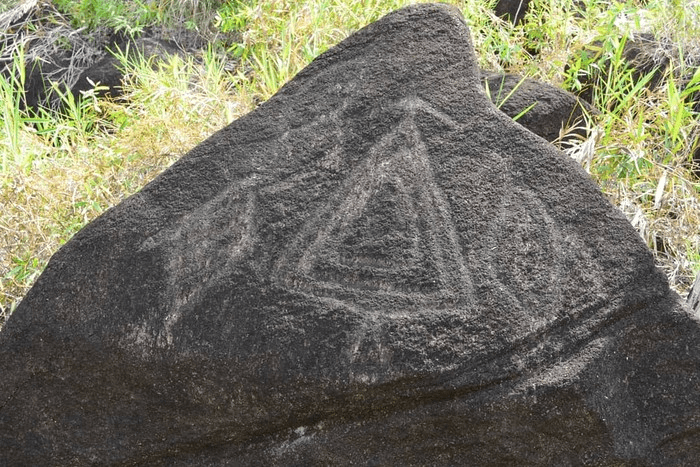
The history of the Tutari megalithic site holds an intriguing story about the cultural heritage of Papua.
This site is located on Bukit Tutari, Sentani Barat District, Jayapura Regency, at an altitude of about 150 to 200 meters above sea level.
As time went by, this site became a historical testament to the lives of past communities, leaving behind valuable relics in the form of carved stones and other stone structures.
The history of the Tutari megalithic site holds significant value in uncovering the long story of the culture present in Papua.
Quoted from kebudayaan.kemdikbud.go.id, the Tutari Megalith site was discovered in a hilly area that holds various artifacts from the megalithic era.
This heritage includes various types of carved stones, stone sculptures, stone rows, stone circles, and menhirs.
The menhir itself is believed to symbolize the people of the Tutari Tribe who died in wars in the past. This has made the site highly sacred to the local community.
On the surface of the stone, images depicting the shapes of turtles, humans, lizards, and geometric patterns have been found, the meanings of which remain a mystery to this day.
This site has been the subject of study by archaeologists, as conducted by Prof. Dr. Harry Truman Simanjuntak in the National Cultural Heritage Expert Team (TACBN) study meeting in 2017.
In the study, Prof. Simanjuntak stated that the Tutari Doyo Lama Megalithic site is one of the oldest megalithic sites in Papua.
Another unique feature of this site is the abundance of images that have not yet been clearly interpreted, presenting a challenge for researchers to delve deeper into their meanings.
In addition to its historical value, this site also serves as a potential resource for cultural preservation and tourism.
Therefore, in the same year, TACBN recommended that this site be designated as a national cultural heritage site to the Minister of Education and Culture.
The designation shows how important this site is as part of Indonesia’s cultural heritage.
The Tutari Megalithic Site contains a wealth of historical and cultural value, depicting the social, economic, and belief systems of the Tutari Tribe in ancient times.
The rock paintings found at this site are not just mere images, but also serve as a means to understand the history of the civilization that once thrived around Lake Sentani, from around 1500 BC to 400 AD.
The existing menhirs became symbols of respect for those who fell in battle, expressing the traditions and beliefs that were alive at that time.
In conclusion, the history of the Tutari megalithic site is an important part of Papua’s cultural heritage that deserves to be preserved.
This site not only provides insights into past civilizations but also has the potential to be developed as a historical tourist destination that educates the public about the rich culture of Papua.

 West Papua Now