

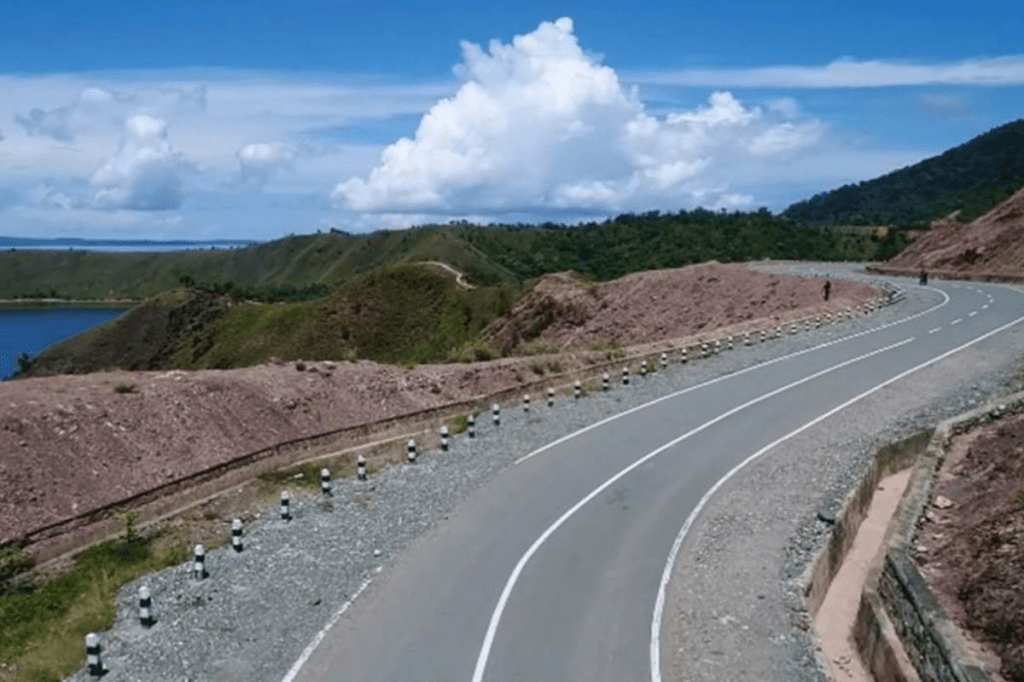
The construction project of the Trans-Papua road segment Jayapura-Wamena, Mamberamo-Elelim in the Papua Mountains Province has become one of the important milestones in efforts to improve connectivity and welfare in the region. The project, which will soon commence, is being undertaken by the consortium of PT Hutama Karya (Persero) and PT Hutama Karya Infrastruktur (HKI), who were appointed as the auction winners by the Ministry of Public Works and Public Housing (PUPR). This project will be executed through the Government and Business Entity Cooperation (KPBU) scheme, with an investment value reaching IDR 3.3 trillion.
The Hutama Karya consortium, with a 55 percent share and HKI with a 45 percent share, will be responsible for the planning, construction, and maintenance of the project during the 15-year concession period, which consists of 2 years of construction and 13 years of maintenance. They will handle the planning and development of technical and conceptual designs, construction until project completion, preparing funding sources, as well as operating and maintaining the project after it is built. After the concession period ends, this project will be handed back to the government.
The scope of work to be carried out includes road handling, bridges, slope and cliff repairs, as well as the construction of weighing facilities. The Trans-Papua road has a length of 50.14 kilometers and serves as the main logistics transportation route from Jayapura to Wamena. The existence of this project is expected to enhance economic growth, improve accessibility and connectivity, and expand the road network, which will potentially increase the welfare of the people in Papua.
Infrastructure development in Papua is not without geographical and technical challenges, especially in areas with challenging natural conditions such as mountains and valleys. However, the courage and innovation in overcoming these obstacles have shown positive results. This project serves not only as a highway but also as a symbol of hope for the local community that yearns for progress and connectivity.
In addition to improving connectivity, this project also opens new opportunities for tourism development along the Trans-Papua route. The breathtaking natural beauty at the foot of Mount Botak Banawa and the unique culture of the local indigenous community make this route potentially an attractive new tourist destination. Sustainable tourism development can be one of the keys to economic recovery and cultural preservation. The construction of the Trans-Papua Jayapura-Wamena Road is a significant step in the efforts to develop infrastructure in Papua. With the existence of this road, the local community now has easier access to markets, healthcare facilities, and education. This project is expected to have a significant impact on improving the welfare of the Papuan community and opening the door to a brighter future.

 West Papua Now