

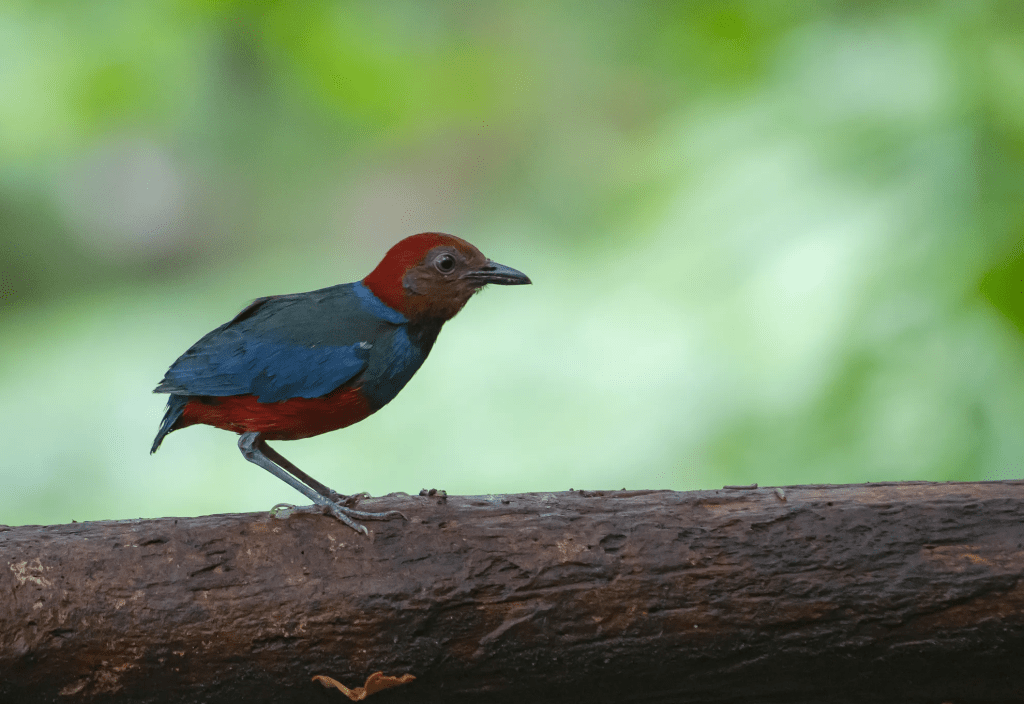
Across the dense rainforests, misty mountains, and remote islands of the Indonesian archipelago, a quiet symphony fills the air, the songs of birds found nowhere else on Earth.
According to the latest data release by the Indonesian Wild Bird Conservation Association (BirdLife Indonesia Association) or Burung Indonesia on 3 April 2026, Indonesia remains the country with the highest number of endemic bird species in the world, a remarkable testament to its ecological richness and evolutionary uniqueness.
Papua: A Stronghold of Endemic Life
Indonesia is home to over 1,800 bird species, with around 538 species classified as endemic, meaning they exist only within the country’s borders. This places Indonesia at the very top globally, ahead of other biodiversity-rich regions. But this richness is not evenly spread.
One region stand out as biodiversity hotspots that is Papua, with its vast and relatively untouched ecosystems, remains one of the most important strongholds, with dozens of unique bird species. Papua’s forests, in particular, are home to iconic birds such as birds of paradise, species that have long fascinated scientists and the world alike.
The region’s ecological conditions, from lowland rainforests to highland cloud forests, create ideal habitats for species that cannot survive elsewhere. Its relative isolation has allowed evolution to unfold in extraordinary ways, producing birds with unique colors, behaviors, and calls.
For many Papuan communities, these birds represent:
- cultural identity and tradition
- environmental indicators of forest health
- natural heritage passed across generations
Why This Matters
Indonesia’s position as the world leader in endemic bird diversity is both an achievement and a responsibility. It highlights:
- the country’s global ecological importance
- the need for strong conservation policies
- the importance of community-based environmental stewardship, especially in regions like Papua
Protecting these birds is not only about saving species, it is about preserving ecosystems that support life, culture, and future generations.
In Papua, where forests still stretch wide and biodiversity still thrives, it is crutial to protect what the world cannot replace. Because once a species goes extinct, it is not just a local loss, it is a loss for the entire planet, what is rare must be protected, before it becomes a memory.

 West Papua Now